How Insulation Works to Save Energy
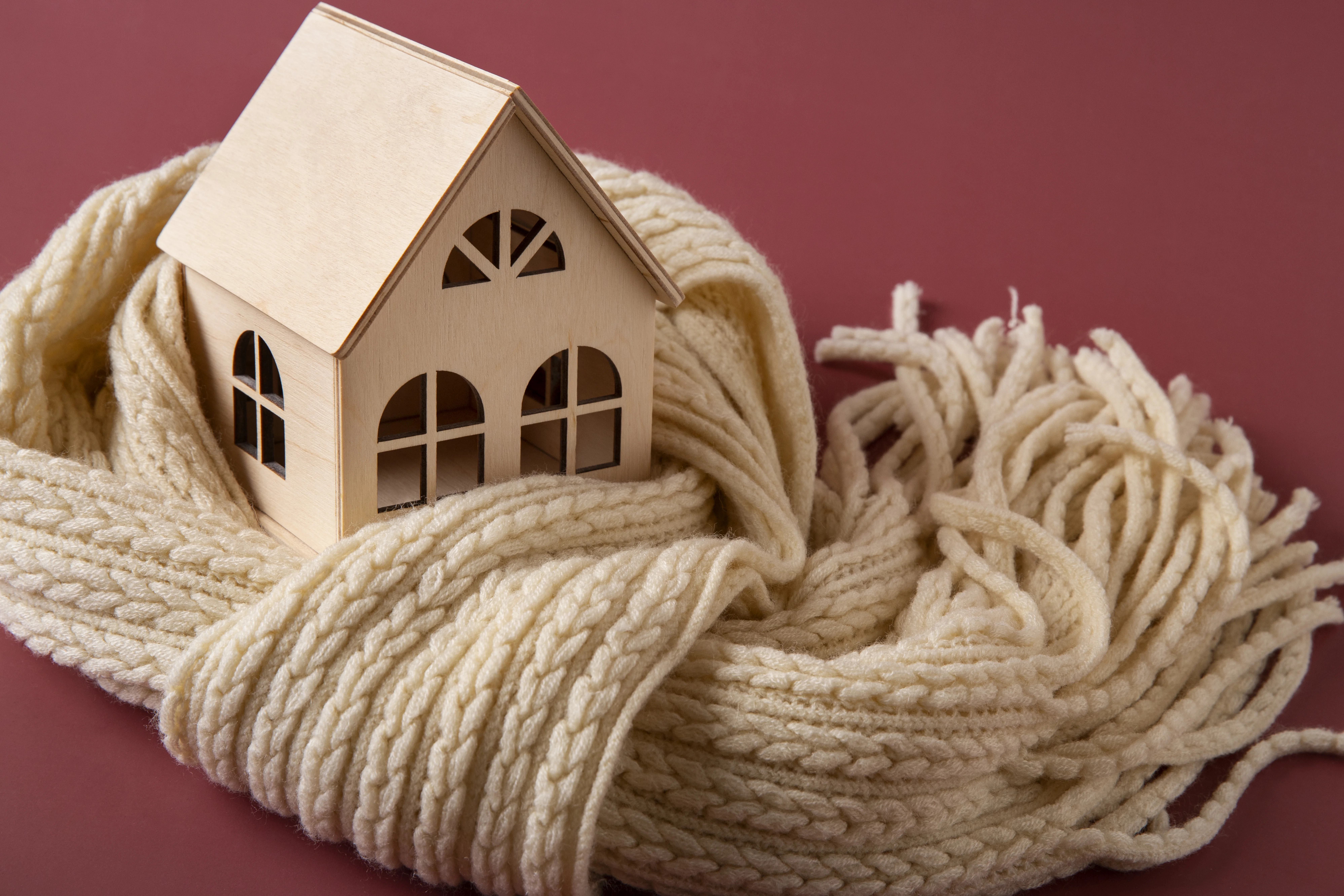
Insulation works by creating a barrier that slows down the transfer of heat between the inside and outside of your home. During winter, it keeps warmth indoors. In the summer, it helps prevent hot outdoor air from warming your interior.
The better your insulation, the less heat escapes, meaning your boiler or heating system doesn’t need to stay on as long or work as hard. This leads to:
• Lower heating bills
• Reduced wear on your heating system
• Increased home comfort
The better your insulation, the less heat escapes, meaning your boiler or heating system doesn’t need to stay on as long or work as hard. This leads to:
• Lower heating bills
• Reduced wear on your heating system
• Increased home comfort

The Environmental Benefits of Proper Insulation
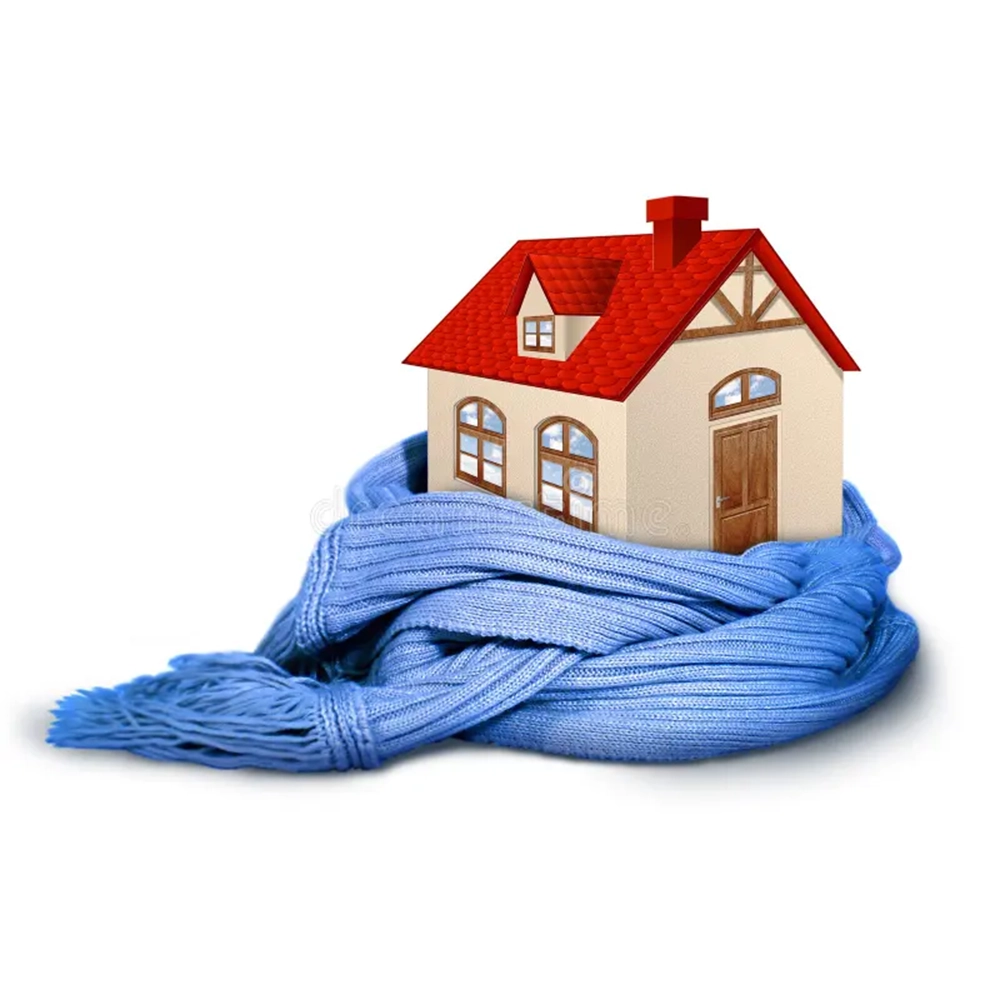
Cutting energy bills isn’t just about personal savings—it also contributes to reducing your carbon footprint. Homes with poor insulation require more energy to heat, which typically comes from burning fossil fuels, contributing to carbon emissions.
By properly insulating your home, you’re not only saving money but also playing your part in creating a more sustainable and eco-friendly future for the UK.
By properly insulating your home, you’re not only saving money but also playing your part in creating a more sustainable and eco-friendly future for the UK.
Signs Your Home Needs Better Insulation
Wondering if your home could benefit from better insulation? Here are some signs to watch for:
• Your home feels cold and drafty in winter, even with the heating on
• Rooms are unevenly heated or lose warmth quickly
• Your energy bills are higher than average for your area or property size
• Walls feel cold to the touch during winter
• Condensation forms on walls or windows
If you notice any of these, it may be time to explore insulation options.
• Your home feels cold and drafty in winter, even with the heating on
• Rooms are unevenly heated or lose warmth quickly
• Your energy bills are higher than average for your area or property size
• Walls feel cold to the touch during winter
• Condensation forms on walls or windows
If you notice any of these, it may be time to explore insulation options.